
- New
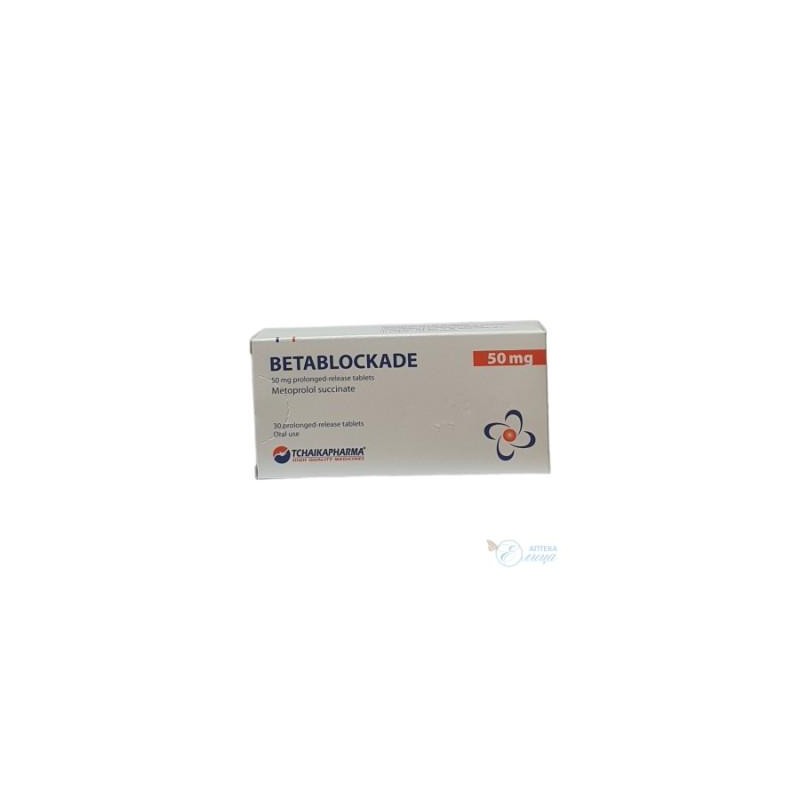
Beta-blockers are used for the treatment of:
High blood pressure, and to reduce the risk of complications resulting from elevated arterial pressure—such as stroke, heart attack, and sudden death (hypertension);
Pain in the heart or chest caused by an insufficient supply of oxygen to the heart (angina pectoris);
1. What Betablokada is and what it is used for
Betablokada belongs to a class of medicines called beta-blockers.
Betablokada is used for the treatment of:
High blood pressure (hypertension) and to reduce the risk of complications resulting from high arterial blood pressure, such as stroke, heart attack, and sudden death;
Heart or chest pain caused by an insufficient supply of oxygen to the heart (angina pectoris);
Irregular heart rhythm (arrhythmia);
Heart attack;
Palpitations resulting from functional heart disorders.
It is used to prevent:
Recurrent heart attack;
Migraine.
2. What you need to know before you take Betablokada
Do not take Betablokada and inform your doctor:
If you are allergic (hypersensitive) to metoprolol or other beta-blockers, or to any of the other ingredients (see section 6);
If you have heart problems (second- or third-degree AV block) or an impaired heart rhythm (sick sinus syndrome);
If you suffer from untreated heart disease or are undergoing treatment affecting heart contractions, or if you are in shock caused by heart problems;
If you have circulatory problems;
If you have a slow heart rate (less than 50 beats per minute);
If you suffer from low blood pressure; If you have increased blood acidity (metabolic acidosis);
If you have severe asthma or COPD (chronic obstructive pulmonary disease);
If you have an untreated pheochromocytoma (high blood pressure resulting from a rare benign tumor of the adrenal gland);
If you suffer from heart failure and your blood pressure remains below 100 mm Hg.
In case you are taking any of the following medications:
Monoamine oxidase inhibitors (MAOIs) (medicines used to treat depression);
Verapamil and diltiazem (medicines that lower blood pressure);
Antiarrhythmic drugs such as disopyramide.
Warnings and precautions
Before you start taking Betablokada, tell your doctor if:
You suffer from asthma;
You have Prinzmetal’s angina (acute chest pain that occurs more frequently at night);
You have diabetes, as metoprolol may mask the symptoms of hypoglycemia (low blood sugar levels);
You have a pheochromocytoma (a benign tumor of the adrenal gland that causes an increase in blood pressure);
You are undergoing treatment to reduce an allergic reaction. Beta-blockers may increase your hypersensitivity to substances to which you are allergic and may increase the severity of allergic reactions;
If you suffer from an overactive thyroid gland (symptoms such as a rapid heartbeat, sweating, tremors, anxiety, increased appetite, or weight loss may be masked by this medication);
If you suffer, or have suffered, from psoriasis (a severe skin condition);
If you suffer from blood circulation problems, which may cause numbness, or your fingers and toes to turn pale or blue;
If you have heart failure or suffer from any of the following conditions:
If you suffer from acute heart failure (NYHA functional class IV);
If you have experienced a heart attack or an angina attack within the last 28 days;
If you have impaired kidney or liver function;
If you are under 40 or over 80 years of age;
If you suffer from heart valve disease;
If you have an enlarged heart muscle;
If you have undergone heart surgery within the last 4 months.
If you are scheduled to undergo general anesthesia for a dental procedure, or if you are to have surgery in a hospital, inform your doctor or dentist that you are taking metoprolol tablets. Children and adolescents
Always use Betablokada in children and adolescents exactly as instructed by your treating physician.
Other medicines and Betablokada
Do not take Betablokada if you are taking:
Monoamine oxidase inhibitors for the treatment of depression (the blood pressure-lowering effect may be enhanced);
Other medicines that lower blood pressure, such as verapamil and diltiazem, as they may slow down your heart rate or cause an excessive drop in blood pressure; Antiarrhythmics, such as disopyramide (may increase the risk of heart rhythm disturbances or slowing of the heart rate, and weakening of heart function).
Please inform your doctor or pharmacist if you are taking or have recently taken any other medicines, including those obtained without a prescription.
The following medicines may enhance the blood pressure-lowering effect:
Cimetidine (an anti-ulcer medication);
Hydralazine and clonidine (blood pressure-lowering medications);
Terbinafine (an antifungal medication);
Paroxetine, fluoxetine, and sertraline (antidepressants);
Hydroxychloroquine (an antimalarial medication);
Chlorpromazine, triflupromazine, and chlorprothixene (antipsychotic medications);
Amiodarone, quinidine, and propafenone (antiarrhythmic medications);
Diphenhydramine (an antihistamine);
Celecoxib (a pain reliever).
The following medicines may reduce the blood pressure-lowering effect:
Indomethacin (a pain reliever);
Rifampi
...cin (an antibiotic).
Other medicines that may affect, or be affected by, metoprolol include:
other beta-blockers, for example, in the form of eye drops;
adrenaline (epinephrine), noradrenaline (norepinephrine), or other sympathomimetics;
medicines for the treatment of diabetes, as the symptoms of low blood sugar levels may be masked. Beta-blockade may increase the risk of severe hypoglycemia when used concomitantly with a certain type of antidiabetic medication known as sulfonylureas (e.g., gliquidone, gliclazide, glibenclamide, glipizide, glimepiride, or tolbutamide);
lidocaine;
reserpine, alpha-methyldopa, guanfacine, and cardiac glycosides.
Beta-blockade, food, beverages, and alcohol
Alcohol may increase blood levels of metoprolol, thereby intensifying the effect of the medication.
Pregnancy, breastfeeding, and fertility
Pregnancy
If you are pregnant or trying to become pregnant, inform your doctor before starting treatment with Beta-blockade. Do not take Beta-blockade if you are pregnant, unless specifically instructed to do so by your doctor. Beta-blockers, including metoprolol, may harm the fetus or cause premature birth.
Metoprolol may cause adverse reactions, such as a slowing of the heart rate in the fetus or the newborn. If you become pregnant while taking Betablokada, you should inform your doctor as soon as possible.
Breastfeeding
If you are breastfeeding, inform your doctor before starting treatment with Betablokada. The effect of metoprolol on a breastfed infant is expected to be negligible, provided that the doses taken are within the standard recommended therapeutic range.
Driving and using machines
Betablokada may cause you to feel dizzy or tired. Please ensure that you are not affected before driving or operating machinery—especially at the start of treatment, when the dose is increased, after a change in medication, or if alcohol is consumed concurrently.
3. How to take Betablokada
Always take Betablokada exactly as your doctor has instructed. If you are unsure about anything, consult your doctor or pharmacist.
Take the medication once daily in the morning with a glass of water. Swallow the tablet whole or divided into two halves. The tablet must not be chewed or crushed before administration.
The usual dose is:
For high blood pressure (hypertension):
For patients with mild to moderate high blood pressure, the recommended dose is 50 mg of Betablokada once daily. If you do not respond adequately to the 50 mg dose, your treating physician may increase it to 100–200 mg once daily and/or combine the beta-blocker with other medications used to lower high blood pressure.
It has been demonstrated that long-term treatment with metoprolol at daily doses of 100–200 mg reduces the risk of complications resulting from high blood pressure (stroke, myocardial infarction, and sudden cardiovascular death). Severe chest pain (angina pectoris):
The recommended dose is 100–200 mg of Betablokada once daily. Your doctor may combine Betablokada with other medications used to treat angina pectoris.
Irregular heart rhythm
The recommended dose is 100–200 mg once daily.
Prevention following a myocardial infarction (heart attack):
The usual dose for patients undergoing long-term treatment is 200 mg of Betablokada once daily. It has been shown that long-term treatment with metoprolol at a daily dose of 200 mg reduces the risk of death and recurrent heart attack.
Palpitations resulting from heart disease:
The recommended dose is 100 mg of Betablokada once daily. If necessary, the dose may be increased to 200 mg.
Prevention of migraine attacks:
The recommended dose is 100–200 mg of Betablokada once daily.
For patients with chronic heart failure:
Always follow the instructions of your doctor.
For patients with impaired liver function:
If you have severe liver impairment, your doctor will determine the appropriate dose. Always follow your doctor’s instructions.
If you have taken more than the required dose Betablockade
If you accidentally take a dose higher than the one prescribed, go immediately to the nearest emergency department or notify your doctor. Symptoms of an overdose include low blood pressure (fatigue and dizziness), a slow pulse, slowed or irregular heart rhythm, cardiac arrest, shortness of breath, deep loss of consciousness (coma), nausea, vomiting, and a bluish discoloration of the skin. Therefore, it is very important not to exceed the prescribed dose; take only the amount prescribed by your treating physician.
Symptoms may worsen if you consume alcohol or take other blood-pressure-lowering medications, quinidine, or sleeping pills (barbiturates) while taking metoprolol.
The first signs of an overdose may appear 20 minutes to 2 hours after taking the medication. If you experience any of these symptoms, seek emergency medical attention immediately.
If you have missed a dose of Betablockade
If you miss a dose of Betablockade and it is less than 12 hours until your next scheduled dose...
4. Possible side effects
Like all medicines, Betablokada can cause side effects, although not everyone gets them.
Stop treatment and contact your doctor immediately if you experience symptoms of an allergic reaction, such as an itchy skin rash, redness, swelling of the face, lips, tongue, or throat, or difficulty breathing or swallowing. These are very rare but very serious side effects that may require emergency medical attention or hospitalization.
Please inform your doctor if you notice any of the listed side effects or any other side effects not mentioned in this leaflet.
Very common (≥ 1/10):
dizziness;
fatigue.
Common (≥ 1/100 to < 1/10):
slow heart rate;
dizziness associated with changes in body position (very rarely accompanied by fainting);
cold extremities;
dizziness;
headache;
nausea, diarrhea, constipation, stomach pain;
shortness of breath during physical exertion;
palpitations.
Uncommon (≥ 1/1,000 to < 1/100):
temporary worsening of heart failure symptoms;
fluid retention (swelling);
chest pain;
numbness or tingling in the hands and feet; muscle cramps (spasms);
vomiting (feeling unwell);
weight gain;
depression;
loss of concentration;
sleep disturbances (insomnia);
drowsiness;
nightmares;
difficulty breathing;
rash;
increased sweating.
Rare (≥ 1/10,000 to < 1/1,000)
worsening of diabetes;
nervousness, anxiety;
visual disturbances;
dryness or irritation of the eyes;
conjunctivitis (eye infection);
impotence/sexual dysfunction;
irregular heartbeat;
dry mouth;
runny nose;
hair loss;
changes in liver function tests.
Very rare (< 1/10,000):
blood disorders (reduced platelet and white blood cell counts);
impaired memory;
confusion;
hallucinations;
mood swings;
ringing in the ears (tinnitus);
hearing problems;
taste disturbances;
inflammation of the liver (hepatitis);
photosensitivity reactions;
worsening of psoriasis (a severe skin condition);
muscle weakness;
joint pain;
tissue death in patients with severe circulatory disorders.
Do not stop treatment with a beta-blocker on your own without first speaking to your doctor or pharmacist. Your doctor may decide to reduce the dose gradually.
5. How to store Betablokada
Keep out of the reach and sight of children.
No special storage conditions are required.
Do not use Betablokada after the expiry date stated on the carton. The expiry date refers to the last day of the month indicated.
Medicines should not be disposed of via wastewater or household waste. Ask your pharmacist how to dispose of medicines no longer required. These measures will help to protect the environment.
6. Contents of the pack and other information
What Betablokada contains
The active substance is metoprolol succinate. Each prolonged-release tablet contains 47.5 mg of metoprolol succinate, equivalent to 50 mg of metoprolol tartrate.
The other ingredients are:
Core: microcrystalline cellulose, methylcellulose, maize starch, glycerol, ethylcellulose, and magnesium stearate.
Coating: Sepifilm® LP 770: hypromellose, microcrystalline cellulose, stearic acid, titanium dioxide.
What Betablokada looks like and contents of the pack
Each carton contains 30 Betablokada 50 mg tablets.
Beta-blockers are used for the treatment of:
High blood pressure, and to reduce the risk of complications resulting from elevated arterial pressure—such as stroke, heart attack, and sudden death (hypertension);
Pain in the heart or chest caused by an insufficient supply of oxygen to the heart (angina pectoris);