
- New
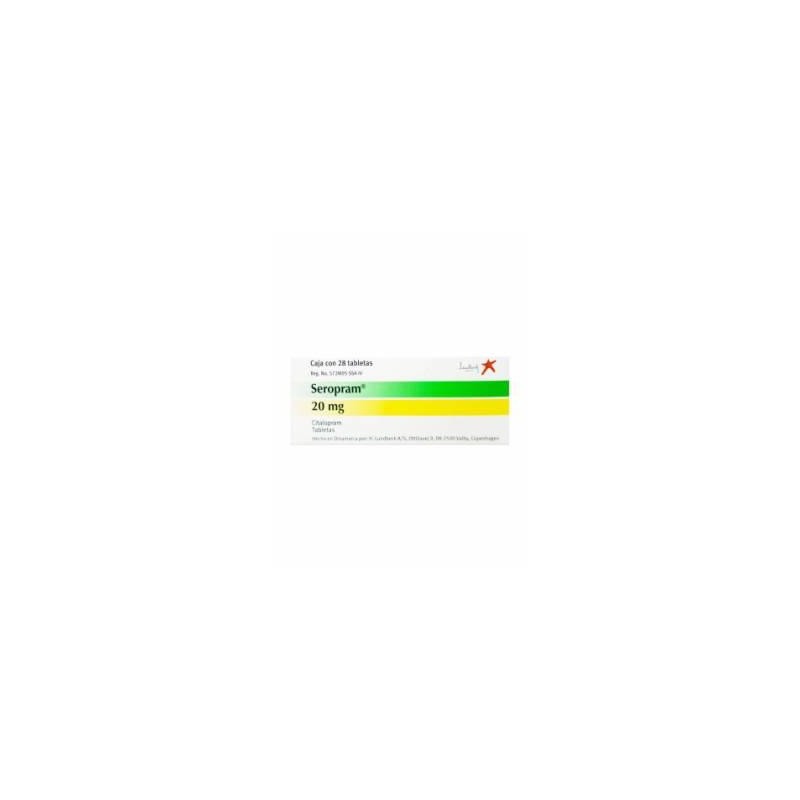

Seropram belongs to a group of antidepressants known as selective serotonin reuptake inhibitors (SSRIs). These medications act on the serotonin system in the brain by increasing serotonin levels.
1. What Seropram is and what it is used for
How Seropram works
Seropram belongs to a group of antidepressants known as selective serotonin reuptake inhibitors (SSRIs). These medicines act on the serotonin system in the brain by increasing serotonin levels.
What Seropram is used for
Seropram contains citalopram and is used to treat depression; once you start feeling better, it also helps prevent the recurrence of symptoms.
Furthermore, Seropram is used for long-term treatment to prevent the onset of new depressive episodes in patients who suffer from recurrent episodes of depression.
Seropram is also beneficial for alleviating symptoms in patients prone to panic attacks.
However, your doctor may prescribe Seropram for other purposes. Consult your doctor if you have any questions regarding why Seropram has been prescribed for you.
2. What you need to know before you take Seropram
Do not take Seropram
if you are allergic to citalopram or any of the other ingredients of this medicine (listed in section 6).
if you are taking other medicines that belong to a group called monoamine oxidase inhibitors (MAOIs). MAO inhibitors include drugs such as phenelzine, iproniazid, isocarboxazid, nialamide, tranylcypromine, selegiline (used in the treatment of Parkinson’s disease), moclobemide (used in the treatment of depression), and linezolid (an antibiotic).
concomitantly with pimozide.
if you were born with an abnormal heart rhythm or have an abnormal heart rhythm (observed on an ECG; an examination to assess how the heart functions).
Even if you have stopped taking MAO inhibitors, you must wait 2 weeks before starting treatment with Seropram.
You must wait one day after stopping the use of moclobemide.
After stopping Seropram, you must wait 1 week before starting to take any MAO inhibitor.
Warnings and precautions
Please inform your doctor if you have any other medical condition, as your doctor will need to take this into account. Specifically, tell your doctor:
if you experience episodes of mania or have panic disorder.
if you have impaired liver or kidney function. Your doctor may need to adjust your dose.
if you have diabetes. Treatment with Seropram may alter glycemic control. The dosage of insulin and/or oral hypoglycemic agents may need to be adjusted. if you suffer from epilepsy. Treatment with Seropram should be discontinued if seizures occur or if their frequency increases (see also section 4 "Possible side effects").
if you suffer from any type of bleeding disorder, or if you are pregnant (see "Pregnancy, breastfeeding and fertility").
if you have low sodium levels in your blood.
if you are undergoing electroconvulsive therapy.
if you suffer from, or have previously had, heart problems, or have recently experienced a heart attack.
if you have low salt levels, or know that you may be salt-depleted as a result of prolonged, severe diarrhea and vomiting, or the use of diuretics ("water pills").
if you experience a rapid or irregular heartbeat, feeling faint, collapse, or dizziness upon standing, which may indicate an abnormal heart rhythm.
if you have, or have previously had, eye problems, such as certain types of glaucoma (increased pressure in the eye).
Please consult your doctor, even if these conditions applied to you in the past.
Please note
Some patients with manic-depressive disorder may enter a manic phase. This is characterized by unusual and rapidly changing ideas, an unjustified sense of happiness, and excessive physical activity. If you experience such sensations, contact your doctor.
Symptoms such as restlessness or an inability to sit or stand still (akathisia) may also occur during the first weeks of treatment. Inform your doctor immediately if you experience these symptoms.
Medicines like Seropram (known as selective serotonin reuptake inhibitors/serotonin and norepinephrine reuptake inhibitors) can cause symptoms of sexual dysfunction (see section 4). In some cases, these symptoms have persisted even after stopping treatment.
Thoughts of suicide and worsening of your depression or anxiety disorder: If you are depressed and/or suffer from anxiety disorders, you may sometimes have thoughts of harming yourself or committing suicide. Such thoughts may be more frequent when you first start treatment with antidepressants, as it usually takes about two weeks—and sometimes longer—for these medications to take effect.
You are more likely to have such thoughts:
if you have previously had thoughts of harming yourself or committing suicide.
if you are a young adult. Data from clinical trials indicate an increased risk of suicidal...
...regarding behavior in adults under 25 years of age with psychiatric conditions who have been treated with an antidepressant.
If at any time you experience thoughts of self-harm or suicide, contact your doctor immediately or go to a hospital.
You may find it helpful to tell a relative or close friend that you suffer from depression or an anxiety disorder and ask them to read this leaflet. You could also ask them if they think your depression or anxiety is worsening, or if they are concerned about any changes in your behavior.
Children and adolescents under 18 years of age
Seropram should generally not be used in children and adolescents under 18 years of age. It is also important to be aware that when patients under 18 take this class of medication, there is an increased risk of side effects such as suicide attempts, suicidal thoughts, and hostility (predominantly aggression, oppositional behavior, and anger). Nevertheless, your doctor may prescribe Seropram to patients under 18 if they determine that it is in their best interest. If your doctor has prescribed Seropram to a patient under 18 and you would like to discuss this, please consult your doctor again. You should inform your doctor if any of the symptoms listed above appear or worsen while a patient under 18 is taking Seropram. Specific information regarding your condition
As with other medications used to treat depression or related conditions, improvement does not occur immediately. After starting treatment with Seropram, it may take several weeks before you feel any improvement.
In the treatment of panic disorder, it usually takes 2–4 weeks before any improvement is noticed.
At the beginning of treatment, some patients may experience an increase in anxiety, which subsides as treatment continues. Therefore, it is particularly important to follow your doctor’s instructions precisely and not to stop treatment or increase the dose without consulting your doctor.
Sometimes, symptoms of depression or panic disorder may include thoughts of suicide or self-harm. It is possible for these symptoms to worsen until the full antidepressant effect of the medication takes hold. This is more likely to occur if you are a young adult—that is, under the age of 25—and have not used antidepressants previously.
Some patients with bipolar disorder (manic-depressive illness) may enter a manic phase. This is characterized by unusual and rapidly changing ideas, an unjustified sense of happiness, and excessive physical activity. If you experience such symptoms, contact your doctor. Sometimes you may not be aware of the aforementioned symptoms; therefore, it may be helpful to ask a friend or relative to assist you by observing you for any signs of changes in your behavior.
Inform your doctor immediately or contact the nearest hospital if you experience distressing thoughts or experiences, or if any of the aforementioned symptoms occur during treatment.
Other medicines and Seropram
You should inform your doctor or pharmacist if you are taking, have recently taken, or might take any other medicines.
Some medicinal products can affect the action of others, which may sometimes lead to serious adverse reactions.
Tell your doctor if you are taking any of the following medicines:
"Non-selective monoamine oxidase inhibitors (MAO inhibitors)," including medicines containing active substances such as phenelzine, iproniazid, isocarboxazid, nialamide, or tranylcypromine. If you have taken any of these medicines, you must wait 14 days before starting to take Seropram. After stopping Seropram, you must wait 7 days before taking any of these medicines.
"Reversible, selective MAO-A inhibitors," containing moclobemide (used to treat depression).
The antibiotic linezolid.
Lithium (used to treat bipolar affective disorder) and tryptophan. Imipramine and desipramine (both used in the treatment of depression).
"Irreversible MAO-B inhibitor," including selegiline (used for the treatment of Parkinson's disease); these medications increase the risk of adverse reactions. The dose of selegiline must not exceed 10 mg/day.
Metoprolol (used for high blood pressure and/or heart conditions); blood levels of metoprolol increase, but no enhanced effect of the active substance or occurrence of adverse reactions to it has been reported.
Sumatriptan and similar medications (used to treat migraines), as well as tramadol and similar medications (opioids used for acute pain); these medications increase the risk of adverse reactions.
Cimetidine, lansoprazole, and omeprazole (used to treat stomach ulcers), fluconazole (used to treat fungal infections), fluvoxamine (an antidepressant), and ticlopidine (used to reduce the risk of...
...stroke). These medications can lead to increased levels of citalopram in the blood.
Medicines known to affect platelet function (e.g., certain neuroleptics, tricyclic antidepressants, acetylsalicylic acid (used as a pain reliever), non-steroidal anti-inflammatory drugs (used to treat arthritis)); there is a slightly increased risk of abnormal bleeding.
St. John’s wort (*Hypericum perforatum*) (an herbal product used for depression) – concomitant use with Seropram may increase the risk of adverse reactions.
Mefloquine (used in the treatment of malaria), bupropion (used in the treatment of depression), and tramadol (used for acute pain) – due to a possible risk of lowering the seizure threshold.
Neuroleptics (medicines used to treat schizophrenia and psychoses) – due to a possible risk of lowering the seizure threshold.
Class IA and III antiarrhythmics, antipsychotics (phenothiazine derivatives, pimozide, haloperidol), tricyclic antidepressants, certain antimicrobial agents (e.g., sparfloxacin, moxifloxacin, intravenous erythromycin, pentamidine, antimalarial treatments—especially halofantrine), and certain antihistamines (astemizole, mizolastine). Seropram with food, drink, and alcohol
Seropram can be taken with or without food (see section 3 "How to take Seropram").
It has been shown that Seropram does not enhance the effects of alcohol. Nevertheless, it is recommended to avoid consuming alcohol while undergoing treatment with Seropram.
Pregnancy, breastfeeding, and fertility
Pregnancy
If you are pregnant or breastfeeding, think you may be pregnant, or are planning to have a baby, consult your doctor or pharmacist before using this medicine.
Generally, pregnant women should not take Seropram, and mothers should not breastfeed their babies while taking this medicine, unless you and your doctor have discussed the risks and benefits.
If you take Seropram during the last 3 months of your pregnancy and up until the time of birth, you should be aware that the following reactions may be observed in your newborn: difficulty breathing, bluish skin, seizures, changes in body temperature, feeding difficulties, vomiting, low blood sugar, stiff or floppy muscles, heightened reflexes, tremors, nervousness, irritability, lethargy, constant crying, drowsiness, and difficulty sleeping. If your newborn experiences any of these symptoms, please contact your doctor immediately. Make sure your midwife and/or doctor know that you are taking Seropram. When taken during pregnancy—especially during the last 3 months—medicines like Seropram may increase the risk of a serious condition in babies called persistent pulmonary hypertension of the newborn (PPHN), which causes the baby to breathe rapidly and turn blue. These symptoms usually appear within the first 24 hours after birth. If this happens to your baby, you should contact your midwife and/or doctor immediately.
If you are taking Seropram towards the end of your pregnancy, there may be an increased risk of heavy vaginal bleeding shortly after delivery, particularly if you have a history of blood clotting disorders. Your doctor or midwife should be aware that you are taking Seropram so that they can provide you with appropriate advice.
Fertility
Citalopram has been shown to reduce sperm quality in animal studies. Theoretically, this could affect fertility, but no impact on human fertility has been observed to date.
Driving and using machines
Seropram generally does not cause drowsiness; however, if you feel dizzy or sleepy when you start taking this medicine, do not drive or operate machinery until these effects have worn off.
Seropram contains lactose
If you have been told by your doctor that you have an intolerance to some sugars, contact your doctor before taking this medicinal product.
Seropram contains sodium
This medicine contains less than 1 mmol of sodium (23 mg) per tablet—that is to say, it is essentially "sodium-free."
3. How to take Seropram
Always take this medicine exactly as your doctor or pharmacist has told you. If you are not sure about anything, ask your doctor or pharmacist.
How much to take
Adults
Depression
The usual dose is 20 mg daily. Your doctor may increase this to a maximum of 40 mg daily.
Panic disorder
The starting dose is 10 mg daily for the first week, before being increased to 20–30 mg daily. Your doctor may increase the dose to a maximum of 40 mg daily. Elderly patients (over 65 years of age)
The starting dose should be reduced to half of the recommended dose—for example, 10–20 mg daily.
Elderly patients should generally not receive more than 20 mg daily.
Special populations
Patients with liver disease should not take more than 20 mg daily.
Children and adolescents
Seropram should not be given to children or adolescents. For further information, see section 2, "What you need to know before you take Seropram."
How and when to take Seropram
Seropram is taken once daily. It can be taken at any time of day, with or without food. Swallow the tablets with water. Do not chew them (they have a bitter taste).
Duration of treatment
As with most medicines used to treat depression and panic disorder, it may take several weeks before you feel any improvement. Continue taking Seropram, even if it takes some time before you notice an improvement in your condition.
Never change your dose without first discussing it with your doctor.
The duration of treatment varies from patient to patient but typically lasts for at least 6 months. Continue taking the tablets for as long as your doctor recommends. Do not stop taking the medication, even if you feel better, unless advised to do so by your treating physician. The underlying condition may persist for an extended period, and stopping treatment too early could cause symptoms to return.
Patients suffering from recurrent depressive episodes benefit from long-term treatment—sometimes lasting several years—to prevent the onset of new depressive episodes.
If you have taken more than the prescribed dose of Seropram
If you suspect that you or someone else has taken an excessive dose of Seropram tablets, contact your doctor or the nearest emergency department immediately. Do this even if there are no signs of discomfort or poisoning. Take the Seropram packaging/container with you when visiting a doctor or hospital.
Some symptoms of an overdose can be life-threatening, including: heart rhythm disturbances, convulsions, arrhythmias, heart failure, drowsiness, coma, vomiting, tremors, low or high blood pressure, nausea (feeling unwell), serotonin syndrome (see section 4), agitation, dizziness, dilated pupils, sweating, a bluish skin discoloration, and hyperventilation. If you forget to take Seropram
Do not take a double dose to make up for a missed dose. If you forget to take your medication and remember before going to bed, take it immediately. Continue with your usual schedule the next day. If you only remember during the night or the following day, skip the missed dose and continue with your usual schedule.
If you stop taking Seropram
Do not stop taking Seropram unless your doctor tells you to do so. When you finish your course of treatment, it is generally recommended that the dose of Seropram be reduced gradually over several weeks.
Stopping the medication suddenly may cause mild and temporary withdrawal symptoms, such as dizziness, a "pins and needles" sensation on the skin, sleep disturbances (vivid dreams, nightmares, inability to fall asleep), anxiety, headache, nausea, vomiting, sweating, restlessness or agitation, tremors, confusion and disorientation, excessive emotionality or irritability, diarrhea (loose stools), visual disturbances, and an irregular or rapid heartbeat (palpitations). Therefore, it is recommended that when you finish your course of treatment...
5. How to store Seropram
Keep out of the reach and sight of children. Store below 30°C.
Do not use this medicine after the expiry date which is stated on the label or the carton. The expiry date refers to the last day of that month.
Do not dispose of medicines via wastewater or household waste. Ask your pharmacist how to dispose of medicines no longer required. These measures will help to protect the environment.
6. Contents of the pack and other information
What Seropram contains
The active substance is citalopram (as hydrobromide).
Seropram film-coated tablets contain 20 mg of citalopram (as citalopram hydrobromide).
The other ingredients are maize starch, lactose monohydrate, microcrystalline cellulose, copovidone, glycerol 85%, croscarmellose sodium, and magnesium stearate.
Film coating: Hypromellose 5 mPa.S, macrogol 400.
Colour: Titanium dioxide (E171).
What Seropram looks like and contents of the pack
Oval, white, film-coated tablets with a score line, marked with "C" and "N" on either side of the score line.
Seropram is available in PVC/PVDC/Aluminium foil blisters. 28 tablets are placed in a cardboard box with a leaflet.
Seropram belongs to a group of antidepressants known as selective serotonin reuptake inhibitors (SSRIs). These medications act on the serotonin system in the brain by increasing serotonin levels.