
- New

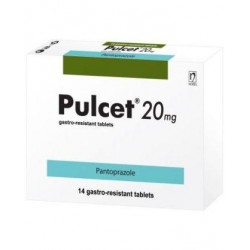
The active substance in PULSET 20 mg is pantoprazole, which belongs to the group of selective proton pump inhibitors. Proton pump inhibitors are used to treat conditions caused by increased acidity in the stomach and intestines.
1. What PULSET 20 mg is and what it is used for
The active substance in PULSET® 20 mg is pantoprazole, which belongs to a group of medicines called selective proton pump inhibitors. Proton pump inhibitors are used to treat conditions caused by increased acidity in the stomach and intestines.
PULSET 20 mg is used for:
Adults and adolescents aged 12 years and older for:
The short-term treatment of symptoms (such as heartburn, acid regurgitation, and pain upon swallowing) associated with gastroesophageal reflux disease, caused by the backflow of acid from the stomach.
2. What you need to know before you take PULSET® 20 mg
Do not take PULSET 20 mg:
If you are allergic (hypersensitive) to pantoprazole or any of the other ingredients of this medicine (listed in section 6).
If you are allergic to medicines containing other proton pump inhibitors.
Take special care when using PULSET® 20 mg:
If you have severe liver problems.
Please tell your doctor:
If you have ever had liver problems. They will monitor your liver enzymes more frequently, especially if you are taking PULSET® 20 mg for a long period of time. Treatment must be discontinued if liver enzyme levels rise.
If you need to take non-steroidal anti-inflammatory drugs (NSAIDs) for a prolonged period, you may also be prescribed PULSET 20 mg, as there is an increased risk of gastrointestinal complications. This increased risk depends on your individual risk factors, such as age (over 65 years), a history of stomach or duodenal ulcers, or gastrointestinal bleeding.
During long-term treatment with pantoprazole, caution is advised for patients with low body stores of vitamin B12 or those with risk factors for vitamin B12 deficiency.
Like all other medications that reduce acid production, pantoprazole may lead to reduced absorption of vitamin B12.
If you are taking a medicine containing atazanavir (for the treatment of HIV/AIDS) together with pantoprazole, consult your doctor.
Warnings and precautions
Talk to your doctor or pharmacist before taking PULSET® 20 mg:
if you have been treated for heartburn or indigestion for 4 weeks or longer.
if you are over 55 years of age and take an over-the-counter (non-prescription) remedy for indigestion on a daily basis.
if you are over 55 years of age and have new or recently changed symptoms of acid reflux. if you have undergone stomach surgery or have had a stomach ulcer.
if you have liver problems or jaundice (yellowing of the skin or eyes).
if you regularly visit your doctor due to serious health complaints or medical conditions.
if you are scheduled to undergo an endoscopic examination or a breath test known as a C-urea test.
you have previously experienced a skin reaction following treatment with a medication similar to Pulset 20 mg, which reduces stomach acid.
you are required to have a specific type of blood test (Chromogranin A). Tell your doctor immediately if, before or after taking this medicine, you notice any of the following, which could be signs of another, more serious condition:
Unintended weight loss not related to a diet or physical exercise
Vomiting, especially if it occurs repeatedly
Vomiting blood
Blood in your stool, which may appear black or tarry
Difficulty or pain when swallowing
Looking pale or feeling weak (anemia)
Severe and/or persistent diarrhea, as PULSET® 20 mg is associated with a slightly increased incidence of infectious diarrhea
If you develop a skin rash, particularly on areas exposed to the sun, inform your doctor as soon as possible, as it may be necessary to stop treatment with Pulset 20 mg. Also, be sure to mention any other adverse effects, such as joint pain.
Your doctor may decide that further tests are needed to rule out a malignancy, as pantoprazole can alleviate the symptoms of cancer and potentially delay its diagnosis.
If you are required to undergo blood tests, inform your doctor that you are taking this medicine. Taking proton pump inhibitors such as PULSET® 20 mg for a period longer than one year may slightly increase the risk of fractures of the hip, wrist, or spine. Inform your doctor if you have osteoporosis.
If patients do not show improvement after 2 weeks of treatment, it is necessary to consult a doctor.
Children and adolescents
PULSET 20 mg is not recommended for children under 12 years of age, as its effects in this age group have not been established.
Other medicines and PULSET 20 mg
Tell your doctor or pharmacist if you are taking, have recently taken, or might take any other medicines.
PULSET 20 mg may affect the efficacy of other medicines. Inform your doctor or pharmacist if you are taking:
Medicines such as ketoconazole, itraconazole, and posaconazole (used for the treatment of...
...treatment of fungal infections) or erlotinib (used to treat certain types of cancer).
Warfarin and phenprocoumon, which are used to affect blood clotting (thinning or thickening the blood). You may require additional tests.
Atazanavir (used to treat AIDS) and other medicines for the treatment of HIV infection. You must not take PULSET® 20 mg if you are being treated with atazanavir.
Methotrexate (used to treat rheumatoid arthritis, psoriasis, and cancer) – if you are taking methotrexate, your doctor may temporarily stop your treatment, as pantoprazole can increase the levels of methotrexate in your blood.
Do not take Pulset 20 mg together with other medicines that reduce the production of hydrochloric acid in your stomach, such as other proton pump inhibitors (omeprazole, lansoprazole, or rabeprazole) or H2 blockers (ranitidine, famotidine). However, you may take Pulset 20 mg with antacids (e.g., magaldrate, alginic acid, sodium bicarbonate, aluminium hydroxide, magnesium carbonate, or combinations thereof) if necessary.
PULSET® 20 mg with food, drink, and alcohol
PULSET® 20 mg should be taken 1 hour before a meal. Pregnancy, breastfeeding, and fertility
If you are pregnant or breastfeeding, think you may be pregnant, or are planning to have a baby, ask your doctor or pharmacist for advice before taking this medicine. Take PULSET® 20 mg only if your doctor has determined that the benefit of treatment outweighs the potential risk to the fetus or the nursing infant.
There is insufficient data regarding the use of pantoprazole in pregnant women. There have been reports of pantoprazole passing into breast milk.
Driving and using machines
No effects on the ability to drive or use machines are known.
If you experience adverse reactions such as dizziness or visual disturbances, you should not drive or use machines.
3. How to take PULSET 20 mg
Always take this medicine exactly as your doctor or pharmacist has told you; if you are not sure, check with your doctor or pharmacist.
Take PULSET 20 mg 1 hour before a meal. Swallow the tablet whole with a little water. Do not chew or crush the tablet.
Adults and adolescents aged 12 years and older:
Treatment of symptoms (e.g., heartburn, acid regurgitation, pain upon swallowing) associated with gastro-oesophageal reflux disease. The usual dose is one 20 mg PULSET tablet daily until symptoms disappear. If there is no improvement in symptoms after two weeks of continuous treatment, consult your doctor. Your doctor will advise you on how long to take the medication.
Symptoms typically disappear after taking 20 mg of PULSET once daily for a period of 2–4 weeks.
Special patient groups:
If you suffer from severe liver impairment, you should take no more than one 20 mg tablet daily.
Children under 12 years of age: These tablets are not recommended for use in children under 12 years of age.
Method of administration:
PULSET 20 mg should be taken 1 hour before a meal with a little water; do not chew or crush the tablet.
If you have taken more than the required dose of PULSET 20 mg
If you have taken more than the required dose of PULSET 20 mg, contact your doctor immediately. There are no known symptoms of overdose.
If you have missed a dose of PULSET 20 mg
If you have missed a dose of PULSET 20 mg, take the next tablet as part of your prescribed treatment.
Do not take a double dose to make up for a missed tablet. If you stop taking PULSET 20 mg
Do not stop taking PULSET 20 mg without informing your doctor or pharmacist. If you have any further questions regarding the use of this medicine, ask your doctor or pharmacist.
4. Possible side effects
Like all medicines, this medicine can cause side effects, although not everybody gets them.
In this leaflet, when side effects are described as "common", it means they have been reported in more than 1 in every 100 patients, but in fewer than 1 in every 10 patients. When side effects are described as "uncommon", it means they have been reported in more than 1 in every 1,000 patients, but in fewer than 1 in every 100 patients. When adverse reactions are described as "rare," it means they have been reported in more than 1 in every 10,000 patients, but in fewer than 1 in every 1,000 patients.
When adverse reactions are described as "very rare," it means they have been reported in fewer than 1 in every 10,000 patients.
Serious allergic reactions (rare)
Swelling of the tongue and/or throat, difficulty swallowing, difficulty breathing (shortness of breath), urticaria (widespread flat rash), allergic swelling of the face (Quincke’s edema/angioedema), severe dizziness accompanied by a very rapid heartbeat and profuse sweating.
Serious skin reactions (frequency unknown)
Blistering of the skin and rapid deterioration of general health, ulcers (including minor bleeding) in the eyes, nose, mouth/lips, and external genital area (Stevens-Johnson syndrome), and increased sensitivity to light.
Other serious conditions (frequency unknown)
Yellowing of the skin and the whites of the eyes (severe liver cell impairment, jaundice), fever, rash, and enlargement of the kidneys—sometimes accompanied by painful urination and pain in the lower back/flank. Other side effects include:
Common side effects
Benign stomach polyps,
Uncommon side effects
Headache, dizziness, weakness, diarrhea, nausea, vomiting, abdominal bloating and flatulence (passing gas), constipation, dry mouth, colic and discomfort, skin rash, skin redness, raised rash, itching, feeling weak, feeling exhausted or generally unwell, sleep disturbances, fracture of the hip, wrist, or spine.
Rare side effects
Visual disturbances (e.g., double vision), joint pain, muscle pain, changes in body weight, high body temperature (severe fever), swelling of the limbs (peripheral edema), allergic reactions, depression, breast enlargement in men.
Very rare side effects
Disorientation (confusion)
Frequency not known
Hallucinations, confusion (particularly in patients with a history of these symptoms); low sodium levels in the blood; a rash that may be accompanied by joint pain; inflammation of the colon, causing persistent watery diarrhea. If you take PULSET® 20 mg for more than three months, it is possible that your blood magnesium levels may fall. This may manifest as fatigue, involuntary muscle contractions, disorientation, seizures, dizziness, or an increased heart rate.
Adverse reactions identified through blood tests:
Uncommon – increased liver enzymes
Rare – increased bilirubin, increased blood lipid (fat) levels
Very rare – decreased platelet count, which may lead to bleeding or bruising more easily than usual; decreased white blood cell count, which may lead to more frequent infections.
5. How to store PULSET 20 mg
Keep out of the reach and sight of children.
Store in the original packaging.
Store below 25°C.
Do not use this medicine after the expiry date which is stated on the carton and the blister. The expiry date refers to the last day of that month.
Do not dispose of medicines via wastewater or household waste. Ask your pharmacist how to dispose of medicines no longer required. These measures will help to protect the environment.
Contents of the pack and other information
What PULSET 20 mg contains
The active substance is pantoprazole. Each tablet contains 20 mg of pantoprazole (as sodium sesquihydrate).
The other ingredients are:
Tablet core: Anhydrous trisodium phosphate, isomalt, carmellose sodium, crospovidone, sodium stearyl fumarate.
Film coating: Hypromellose, povidone, propylene glycol, titanium dioxide, yellow iron oxide, methacrylic acid – ethyl acrylate copolymer (1:1) 30% dispersion, triethyl citrate, simethicone.
What PULSET 20 mg looks like and contents of the pack
Light yellow to yellow, oval, biconvex, gastro-resistant tablets.
PULSET 20 mg is available in Al/Al blisters.
Pack size: 14 gastro-resistant tablets.
The active substance in PULSET 20 mg is pantoprazole, which belongs to the group of selective proton pump inhibitors. Proton pump inhibitors are used to treat conditions caused by increased acidity in the stomach and intestines.