
- New
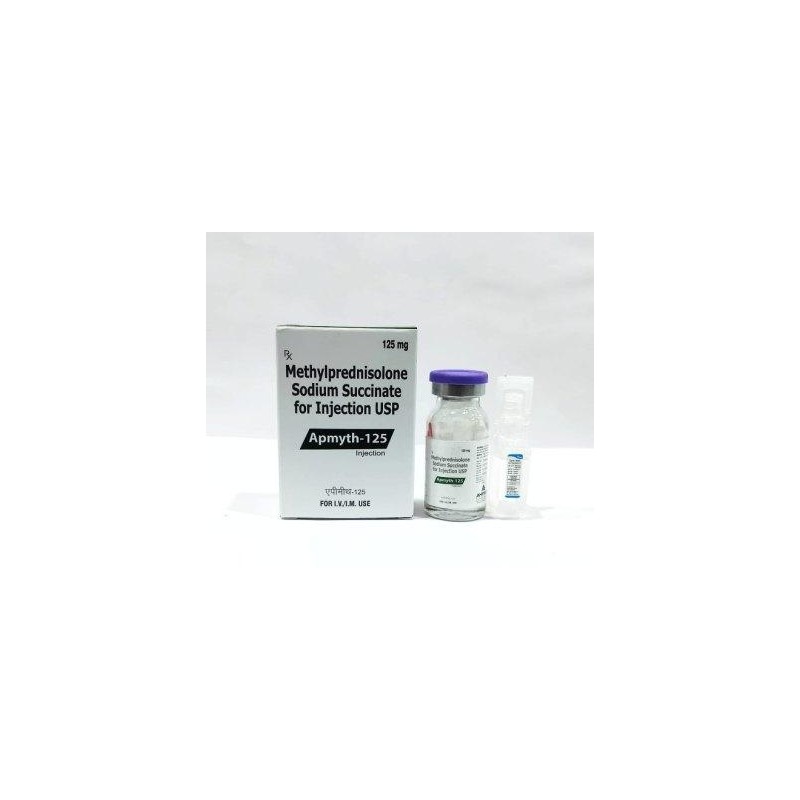
Methylprednisolone belongs to a group of medicines called corticosteroids.
1. What Methylprednisolone is and what it is used for
Methylprednisolone belongs to a group of medicines called corticosteroids or steroids.
Methylprednisolone is used to treat:
Hormonal disorders: e.g., if the adrenal glands are not functioning properly for some reason and the body does not produce enough of its own hormones; certain types of circulatory failure (shock associated with adrenal insufficiency or shock unresponsive to standard treatment, where adrenal cortex insufficiency may be present); patients undergoing surgery, or those with severe trauma or other illnesses combined with impaired adrenal gland function; hypercalcaemia (high blood calcium levels) in cancer patients; non-suppurative thyroiditis (a specific type of thyroid inflammation); congenital adrenal hyperplasia (congenital overgrowth of the adrenal glands).
Rheumatic disorders: rheumatoid arthritis (an autoimmune disease involving inflammation that affects the joints and/or other parts of the body in adults and children); acute and subacute bursitis (inflammation of a bursa); acute nonspecific tenosynovitis (inflammation of the tendon sheath); acute gouty arthritis (joint inflammation associated with gout), post-traumatic osteoarthritis (joint inflammation following an injury); ankylosing spondylitis (a condition where the ligaments of the spine and pelvis ossify and fuse together); synovitis associated with osteoarthritis (inflammation of the synovial lining of a joint); epicondylitis (inflammation of the ends of certain bones or the tendons attached to them); psoriatic arthritis (joint inflammation associated with psoriasis)
Collagenoses (connective tissue diseases): systemic lupus erythematosus (an autoimmune disease characterized by a rash accompanied by fever, arthritis, inflammation of blood vessels, kidney disorders, and conditions affecting the brain), dermatomyositis or polymyositis (inflammation of the muscles); polyarteritis nodosa or Goodpasture syndrome (other connective tissue diseases); acute rheumatic carditis (involvement of the heart muscle in the context of rheumatic fever).
Skin diseases: pemphigus (the appearance of blisters on the skin); other skin conditions: Stevens-Johnson syndrome (a severe condition characterized by the formation of blisters on the skin, in the mouth, in the eyes, and on the genitals); exfoliative dermatitis; severe forms of psoriasis; severe forms of seborrheic dermatitis; dermatitis herpetiformis (a condition characterized by symmetrically distributed rashes on the body and intense itching), fungal infections.
Allergic conditions: conditions that do not respond to other treatments, such as: bronchial asthma; severe forms of hay fever and other allergies accompanied by a runny nose; contact dermatitis (a skin allergy caused by contact with certain substances); atopic dermatitis (characterized by dry, itchy skin and rashes on the face, neck, and the folds of the arms and legs); serum sickness (an allergy to vaccines derived from animal serum); drug allergies; angioedema (swelling of the larynx); rashes following blood transfusion; anaphylaxis.
Eye disorders: iritis or iridocyclitis (inflammation of the anterior part of the eye); posterior uveitis (inflammation of the posterior part of the eye); optic neuritis (inflammation of the optic nerve); inflammation of the anterior segment of the eye; allergic conjunctivitis or other allergic manifestations (ulcers at the corneal margin); other eye disorders (herpes zoster ophthalmicus, chorioretinitis, keratitis, sympathetic ophthalmia).
Pulmonary disorders: pulmonary sarcoidosis (inflammation of the tissues and lymph nodes of the lungs); Tuberculosis that is progressing rapidly or has spread to other parts of the lungs (methylprednisolone is used concurrently with anti-tuberculosis agents); inflammation caused by the aspiration of gastric contents or vomit into the lungs while unconscious (aspiration pneumonitis); moderate to severe pneumonia caused by *Pneumocystis carinii* in patients with AIDS (as adjunctive therapy); and other pulmonary conditions (berylliosis, Löffler's syndrome, and exacerbations of chronic obstructive pulmonary disease).
Blood disorders: idiopathic thrombocytopenic purpura in adults (an increased tendency toward bruising and bleeding due to a low count of blood cells involved in clotting); secondary thrombocytopenic purpura (a low count of blood cells involved in clotting); autoimmune hemolytic anemia (where the immune system attacks the body's own red blood cells); and other types of anemia.
Malignant diseases: leukemias in adults and children (excessive production of white blood cells in the bone marrow); cancer of the lymphatic system, which typically affects the lymph nodes and the spleen; and improvement of the quality of life in patients with terminal-stage cancer. Digestive system disorders: ulcerative colitis (inflammation and ulceration of the colon); regional enteritis (Crohn's disease – inflammation of various parts of the intestine).
Edematous conditions: in nephrotic syndrome (a disorder...
...of the kidneys) – to increase urine output.
Neurological disorders – multiple sclerosis; cerebral edema caused by a tumor, surgery, or radiation therapy; acute spinal cord injury.
Other conditions: prevention of nausea and vomiting during the treatment of malignant diseases; organ transplantation – to prevent rejection by the body; tuberculous meningitis; trichinosis involving the nervous system or the myocardium.
Your doctor may use Methylprednisolone Sopharma to treat conditions other than those listed above. Ask your doctor if you are unsure why it has been prescribed for you.
2. What you need to know before you use Methylprednisolone Sopharma
Do not use Methylprednisolone Sopharma:
if you are allergic (hypersensitive) to methylprednisolone or any of the other ingredients of this medicine (see section 6);
if you have systemic fungal infections;
in premature infants;
if the administration of live vaccines is required; or via the intrathecal or epidural route.
Warnings and precautions
Talk to your doctor before starting treatment with Methylprednisolone Sopharma:
if you have latent or active tuberculosis; if you currently have an infection—whether localized or systemic (including measles and chickenpox)—or abscesses;
if you have or have previously had mental health conditions (e.g., emotional instability, depression, hallucinations), or if you have previously undergone steroid treatment that triggered psychosis (a mental health condition requiring outpatient or inpatient medical care);
if you have had a herpetic eye infection, corneal disease, or bulging eyes;
if you have stomach or intestinal ulcers, or gastrointestinal disorders (such as diverticula, recent intestinal anastomoses, an abscess, or other purulent infections);
if you have Cushing’s syndrome (a medical condition resulting from a disorder of the adrenal glands);
if you suffer from reduced thyroid function;
if you have osteoporosis (brittle bones);
if you have experienced thromboembolic events;
if you have had seizures;
if you have renal (kidney) failure;
if you have pancreatitis, acute hepatitis, or elevated liver enzymes;
if you or any member of your family has diabetes mellitus; if you have high blood pressure, dyslipidemia, cardiac arrhythmias, circulatory collapse, cardiac arrest, bradycardia, or heart failure;
if you suffer from glaucoma (increased intraocular pressure);
if you have myasthenia gravis (a condition characterized by significant muscle weakness);
if you have ever experienced myopathy (muscle problems involving weakness or pain, particularly in the lower limbs and buttocks) while being treated with steroids;
if you have sustained a brain injury; if you have a pheochromocytoma (a tumor of the adrenal gland);
if you regularly take aspirin or other non-steroidal anti-inflammatory drugs (NSAIDs);
if you are being administered high doses of synthetic cortisone derivatives, this may lead to an increase in blood pressure, salt and water retention, and increased excretion of potassium and calcium. It may be necessary to restrict salt intake and take potassium supplements.
Other medicines and Methylprednisolone Sopharma
Inform your doctor if you are taking, have recently taken, or might take any other medicines, including those obtained without a prescription.
Tell your doctor if you are taking:
cyclosporine, cyclophosphamide, or tacrolimus (immunosuppressants used to suppress the immune system);
anticonvulsants (carbamazepine, phenobarbital, phenytoin); rifampicin, isoniazid (medicines for treating tuberculosis);
certain antibiotics (e.g., troleandomycin, clarithromycin, erythromycin) or antifungal medicines (e.g., ketoconazole, itraconazole);
certain medicines can increase the effect of methylprednisolone, and your doctor may wish to monitor you closely if you are taking such medicines (including certain medicines for HIV—ritonavir, cobicistat);
certain calcium channel blockers—e.g., diltiazem (medicines for treating high blood pressure or angina);
anti-vomiting agents (aprepitant, fosaprepitant);
products that reduce potassium levels—diuretics (water tablets), amphotericin B (an antifungal agent), xanthines, beta-2 agonists (bronchodilators);
hypoglycaemic agents (including insulin);
oral anticoagulants (blood thinners);
salicylates and non-steroidal anti-inflammatory drugs (NSAIDs);
neuromuscular blocking agents (medicines used to relax muscles during anaesthesia—e.g., pancuronium, vecuronium);
grapefruit juice;
contraceptives—ethinylestradiol/norethisterone;
medicines for cancer—aminoglutethimide. Pregnancy, breastfeeding, and fertility
If you are pregnant or breastfeeding, think you may be pregnant, or are planning to have a baby, consult your doctor or pharmacist before using this medicine.
If you are pregnant, treatment with Methylprednisolone Sopharma should be carried out only under medical supervision.
...control. Due to a lack of sufficient evidence regarding safety in humans during pregnancy and breastfeeding, this medicinal product should be used in pregnant and breastfeeding mothers only when clearly necessary.
Its use should be avoided during the first three months of pregnancy, except in cases of exceptional medical necessity.
Corticosteroids are excreted in breast milk and may affect the infant; therefore, if treatment with methylprednisolone is required, breastfeeding should be discontinued. Corticosteroids readily cross the placenta. Infants born to mothers who received significant doses of corticosteroids during pregnancy should be carefully monitored and examined for signs of adrenal insufficiency.
Driving and using machines
Methylprednisolone Sopharma does not affect the ability to drive or use machines.
Methylprednisolone Sopharma contains less than 1 mmol (23 mg) of sodium per dose; that is to say, it is essentially "sodium-free".
3. How to use Methylprednisolone Sopharma
Methylprednisolone Sopharma is administered by qualified medical personnel. If you are unsure about anything, ask your doctor.
The dose is determined by the attending physician and depends on the severity of your condition. Your doctor will always aim to use the lowest possible dose that achieves a good therapeutic outcome. Your doctor may prescribe a higher dose for a few days to bring your condition under control. If your condition is not brought under control, they may change your treatment. Your doctor may see you frequently to ensure that you are feeling better. The initial dose chosen by your doctor will be continued until they determine that your condition has improved.
Typically, the initial dose ranges from 10 mg to 500 mg daily.
Use in children
Children are usually prescribed a lower dose than adults, though this depends on the severity of the condition and the response to treatment.
In cases of long-term use of Methylprednisolone Sopharma, treatment should be discontinued by gradually reducing the dosage.
The medicinal product may be administered via intravenous injection, intravenous infusion, or intramuscular injection.
If you have any further questions regarding the use of this product, please ask your doctor or pharmacist.
If you have received more than the required dose of Methylprednisolone Sopharma
The medicinal product is administered as an injection under medical supervision; therefore, it is highly unlikely that you would miss a dose or receive an excessive dose. If you have any concerns, please consult your doctor. If you have stopped using Methylprednisolone Sopharma
A sharp reduction in the dose or sudden discontinuation of the corticosteroid after prolonged treatment may lead to withdrawal syndrome—specifically, acute adrenal insufficiency (where the adrenal glands fail to produce sufficient endogenous corticosteroids). This can manifest as nausea, vomiting, loss of appetite, drowsiness, headache, fever, joint pain, skin peeling, muscle pain, and weight loss. It may also result in low blood pressure (causing dizziness and fainting) and, in some cases, a fatal outcome. This insufficiency can persist for months after treatment has ended; therefore, should a stressful situation arise during this period (such as an injury, surgery, or a severe illness), corticosteroid therapy may need to be resumed or the dosage increased.
Discontinuation of corticosteroid treatment, especially following long-term use, must be carried out slowly, through a gradual reduction of the dose.
Other observed adverse reactions include:
stomach or duodenal ulcer, indigestion, abdominal bloating, ulceration or inflammation of the esophagus, hiccups, nausea, abdominal pain, diarrhea. Methylprednisolone may damage your liver – cases of hepatitis and elevated liver enzymes have been reported;
worsening of mental health conditions (such as irritability, euphoria, depression, difficulty controlling emotions, mood swings, drug dependence, and suicidal thoughts), psychotic reactions (including mania, delirium, hallucinations, and worsening of schizophrenia), changes in behavior and reactions in certain situations, irritability, anxiety, sleep disturbances, seizures, and memory impairment (including confusion and memory loss), mental disorders, and delayed mental development;
muscle weakness, loss of muscle mass, osteoporosis (increased bone fragility), pathological bone fractures, aseptic necrosis (bone damage due to poor blood supply), tendon rupture (particularly of the Achilles tendon), myalgia (muscle pain), myopathy (muscle disorder), neuropathic arthropathy (joint disease), arthralgia (joint pain), growth retardation, and spinal compression fractures; retention of fluids and salts in the body, low blood potassium levels (hypokalemic alkalosis), increased or decreased blood pressure;
insufficient response to physical stress resulting from long-term corticosteroid treatment: this leads to reduced secretion of hormones that are normally released by the hypothalamus, pituitary gland, and adrenal glands;
irregular or absent menstruation in women, hirsutism (excessive body and facial hair in women), increased appetite, weight gain, Cushingoid facies (rounded or moon-shaped face), diabetes, worsening of diabetes (manifesting as elevated blood sugar or sugar in the urine upon testing) and the need for additional anti-diabetic treatment, breakdown of the body's protein stores, loss of calcium and nitrogen;
fatigue, malaise;
accumulation of fatty tissue in specific parts of the body;
increased fat content in the blood;
elevated blood urea levels; elevated calcium levels in the urine;
immune system disorders: reduced resistance and an increased risk of infections—particularly unusual infections—masking or alteration of the symptoms of certain infections or conditions, and masking or alteration of reactions to skin tests; skin and subcutaneous tissue disorders: atrophy (thinning of the skin), striae (stretch marks), petechiae (pinpoint skin hemorrhages), ecchymoses (bruising), rash, steroid-induced acne, skin discoloration, delayed wound healing, skin redness, excessive sweating, itching, hives (urticaria), swelling around the eyes, mouth, and inside the oral cavity (angioedema), edema (peripheral);
eye disorders: glaucoma (increased intraocular pressure causing eye pain and headache), cataracts (manifesting as a gradual decline in vision), exophthalmos (protruding eyeballs), retinal and choroidal disease; vertigo;
other disorders: increased white blood cell count, increased blood clotting. Reactions may occur at the site of administration.
5. How to store Methylprednisolone Sopharma
Keep out of the reach of children.
Do not use Methylprednisolone Sopharma after the expiry date stated on the packaging. The expiry date refers to the last day of the month indicated.
Store in the original packaging, protected from light, at a temperature below 25°C.
Do not freeze.
Do not dispose of medicines via wastewater or household waste. Ask your pharmacist how to dispose of medicines you no longer need. These measures will help protect the environment.
6. Contents of the pack and other information
What Methylprednisolone Sopharma contains
The active substance is methylprednisolone sodium succinate, corresponding to 6.31 mg, 15.78 mg, 40 mg, 125 mg, or 250 mg of methylprednisolone.
The other ingredients are: disodium hydrogen phosphate dihydrate, sodium dihydrogen phosphate monohydrate.
Each ampoule of solvent (Sterile Water for Injections) contains 1 ml, 2 ml, or 5 ml of water for injections.
What Methylprednisolone Sopharma looks like and contents of the pack
White to almost white lyophilized powder.
The pack contains a colourless glass ampoule with powder for solution for injection, featuring a coloured dot to indicate the opening point, together with an ampoule containing the solvent.
Methylprednisolone belongs to a group of medicines called corticosteroids.