
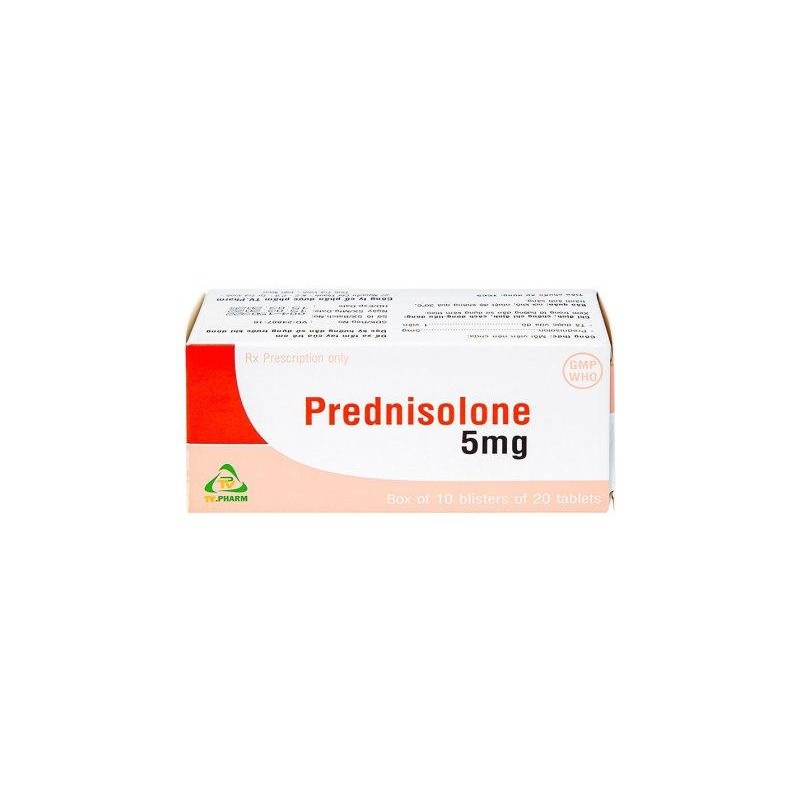

The active substance contained in this product is prednisolone. It belongs to a group of drugs called corticosteroids. They are analogues of hormones called glucocorticosteroids and are secreted by the adrenal cortex. Prednisolone has a strong anti-inflammatory and anti-allergic effect, as a result of which it has a beneficial effect on a number of diseases and conditions due to inflammation and allergy.
1. What is Cortapred and what is it used for
The active substance contained in this product is prednisolone. It belongs to a group of medicines called corticosteroids. They are analogues of hormones called glucocorticosteroids and are secreted by the adrenal cortex. Prednisolone has a strong anti-inflammatory and anti-allergic effect, as a result of which it has a beneficial effect on a number of diseases and conditions due to inflammation and allergy.
Cortapred is used to treat the symptoms of rheumatic diseases (e.g. rheumatoid arthritis, arthritis in children, etc.), connective tissue diseases (lupus, so-called lupus, dermatomyositis), allergic diseases, incl. allergies related to taking medications, bronchial asthma), skin and eye diseases, some blood diseases, ulcerative colitis and Crohn's disease (inflammation of the colon associated with the formation of ulcers and occurring with severe and prolonged bloody diarrhea and cramps), etc.
It is also used in patients in whom, for various reasons, the adrenal glands do not produce enough hormones (glucocorticosteroids), which is why they need to be supplied by taking medications.
2. What you need to know before you use Cortapred
Do not take Cortapred:
if you are allergic (hypersensitive) to prednisolone or any of the other ingredients of the product;
if you suffer from severe infections affecting the whole body;
if you currently have herpes affecting the eyes.
Warnings and precautions
Talk to your doctor or pharmacist before using Cortapred.
Take special care when using Cortapred
The side effects associated with the use of prednisolone can be avoided or reduced by taking the lowest dose that has a therapeutic effect for the shortest possible period of time. Your doctor will determine the appropriate dose to treat your disease and how long you should take the medicine. Follow his instructions strictly, do not change your prescribed dose without being explicitly prescribed by a doctor.
It is especially important to know that:
taking this medicine should not be stopped abruptly, because this may lead to a worsening of the condition and/or recurrence of the disease;
the normal secretion of hormones from the adrenal gland is suppressed during longer treatment. In order to allow the adrenal gland to restore its function and provide the body's usual needs for them, the daily dose taken is gradually reduced. Your doctor will give you specific instructions on how to do this, taking into account the duration of treatment and the amount of the dose taken.
Corticosteroids can mask some signs of infection, and during treatment with them new ones caused by fungi, viruses or bacteria may develop.
Chickenpox (varicella) can be very severe and lead to serious complications in people with suppressed immunity, including those taking corticosteroids for a long time (these products suppress immunity). Therefore, it is necessary to avoid contact with patients with chickenpox or herpes zoster; the use of immunoglobulin is recommended to support the body's defenses. It is necessary to keep in mind that if you get sick with chickenpox when taking this product, treatment with it should not be discontinued, and in some cases it may even be necessary to increase the dose. For the same reasons, you should also avoid contact with patients with measles (smallpox).
The use of live vaccines should be avoided. If this is necessary, consultation with a relevant specialist is necessary.
If treatment with corticosteroids is necessary in patients with latent, undetected tuberculosis or in those with a positive tuberculin test, strict medical supervision is necessary to avoid reactivation of the disease.
Increased control and periodic medical supervision are necessary in patients taking digoxin, since corticosteroids lead to disturbances in water-salt metabolism and loss of potassium.
Particular care is required when treating with this product if you suffer from:
osteoporosis (reduction in bone density and increased susceptibility to fractures);
high blood pressure, heart failure (heart disease that can lead to easy fatigue, shortness of breath, swelling of the ankles), recent myocardial infarction;
diabetes mellitus;
glaucoma (increased intraocular pressure);
diseases of the liver (including cirrhosis), kidneys, stomach and intestines (especially stomach ulcers);
epilepsy;
myasthenia gravis.
Tell your doctor before starting treatment if you have or have ever had tuberculosis, mental illness, frequent inflammation of the veins, scleroderma (also known as systemic sclerosis, which is an autoimmune disease), as daily doses of 15 mg or more may increase the risk of a serious complication called scleroderma renal crisis. Signs of scleroderma renal crisis in
include increased blood pressure and decreased urine output. Your doctor may advise you to regularly check your blood pressure and urine.
You need to know, and your loved ones should be informed, that mental disorders may develop during treatment with corticosteroids. Most often, this is observed a few days to a few weeks after starting treatment. Most of them resolve completely either after reducing the dose or after stopping treatment. However, this does not negate the need for specific treatment.
If you experience feelings of depression, anxiety, insomnia, lack of motivation, thoughts of self-harm, you should immediately share this with your loved ones and seek advice from a medical professional.
Corticosteroids can lead to growth retardation in children and adolescents, which is why treatment should be limited to the lowest possible dose and for the shortest possible period.
In elderly patients, some side effects may be more common (osteoporosis, diabetes, high blood pressure, tendency to infections) and may be more serious, which is why they require increased monitoring by a doctor.
Other medicines and Cortapred
Please tell your doctor or pharmacist if you are taking or have recently taken any other medicines, including medicines obtained without a prescription.
There have been reports of seizures with concomitant use of prednisolone and cyclosporine.
Rifampicin, rifabutin, carbamazepine, phenobarbitone, phenytoin, primidone and aminoglutethimide increase the breakdown of corticosteroids in the liver and their effect may be reduced.
Cimetidine, erythromycin, ketoconazole, itraconazole, diltiazem and mibefadril may reduce the breakdown of corticosteroids in the liver and thus lead to an increase in their blood concentrations.
Corticosteroids may reduce the effects of:
medicines for the treatment of diabetes, including insulin;
medicines for the treatment of high blood pressure;
diuretics (medicines for the treatment of edema, which lead to increased urine output);
Corticosteroids may enhance the effects of:
coumarin anticoagulants (medicines that reduce blood clotting), which requires monitoring of prothrombin time and some other laboratory parameters;
medicines containing salicylates (in some cases, intoxication may occur);
Cortapred with food and drink
During treatment with this product, grapefruit (grapefruit juice) should not be consumed, as the breakdown of the product by the liver increases and this may lead to a decrease in its blood concentrations.
Pregnancy and breastfeeding
Ask your doctor or pharmacist before using any medicine.
Pregnancy
Prednisolone crosses the placenta. It is known that in animals, all products from the corticosteroid group can cause some birth defects - cleft palate, developmental delay, adverse effects on brain growth and development.
There is insufficient evidence that corticosteroids lead to similar effects in humans, but during pregnancy they can be used only after a doctor's assessment that the benefit to the mother outweighs the risk to the fetus and newborn.
Breastfeeding
Corticosteroids are excreted in small amounts in breast milk. During breastfeeding, they should only be used after a doctor has judged that the benefit to the mother outweighs the risk to the infant.
Driving and using machines
There is no evidence of adverse effects on the ability to drive and use machines.
3. How to take Cortapred
Always take Cortapred exactly as your doctor has told you. If you are not sure, ask your doctor or pharmacist.
Adults
The usual daily dose with which treatment begins is usually between 5 and 60 mg (1-30 tablets) depending on the type of disease. The daily dose is usually taken as several separate doses, and in so-called intermittent treatment the daily dose is doubled, administered once in the morning, usually at 8:00 a.m., every other day.
During long-term treatment, it may be necessary to temporarily increase the daily dose during periods of stress, an infection or before an upcoming surgery, as well as during exacerbations of the disease.
The daily dose, method and frequency of administration, and duration of treatment will be determined by your doctor according to the type of disease, its severity and course.
Undesirable effects can be limited by using the lowest effective dose for the shortest possible period.
In most cases, treatment begins with a higher dose, which after 3-7 days can be reduced or increased depending on the achieved therapeutic effect. After establishing the lowest effective dose, treatment is continued with it for a different period depending on the type of disease and its course.
As soon as possible after achieving the desired therapeutic effect, the daily dose should be gradually reduced until complete cessation of treatment in acute diseases (asthma, acute eye inflammation, etc.) or until the lowest effective maintenance dose is reached in cases of chronic diseases (rheumatoid arthritis, lupus, etc.).
For your information, the usual recommended daily doses with which treatment is usually started for some more common diseases are listed below.
Allergic and skin diseases - initial daily dose of 5-15 mg (1-3 tablets).
Systemic connective tissue diseases, so-called collagenoses - initial daily dose of 20-30 mg (4-6 tablets).
Rheumatoid arthritis - the usual initial daily dose is 10-15 mg daily (2-3 tablets).
Blood diseases and lymphoma - initial daily dose is 15-60 mg (3-12 tablets).
Children
The dosage in children is determined at the discretion of the doctor, who may change it depending on the achieved effect. If possible, the daily dose should be administered as a single dose every other day, and the treatment should be carried out by administering the lowest dose for the shortest period of time.
Elderly patients
The daily dose, method and duration of administration should be adjusted to the fact that in the elderly, adverse drug reactions are more frequent and more serious.
The tablet can be divided into two equal doses.
If you have taken more than the required dose of Cortapred
In acute overdose with prednisolone, no specific manifestations are observed. In chronic overdose, the so-called "Cushingoid symptoms" are observed - accumulation of fatty tissue in the face, abdomen and hips, appearance of stretch marks, redness of the cheeks, etc.
If you forget to take Cortapred
If you forget to take a dose, do so as soon as possible after you remember. Do not take a double dose to make up for the forgotten one. Take the next dose at the usual time.
If you stop taking Cortapred
Do not stop taking the product if you feel better until your doctor tells you to. Remember that stopping treatment is always done by gradually reducing the daily dose. If you suddenly stop taking the product, it is possible to develop the so-called Withdrawal Syndrome (see section Side effects).
If you have any further questions on the use of this product, ask your doctor or pharmacist.
4. Possible side effects
Like all medicines, Cortapred can cause side effects, although not everybody gets them. The following side effects are possible:
Gastrointestinal disorders
Heartburn, nausea, bloating, stomach and esophageal ulcers, tongue and esophageal thrush, acute pancreatitis, gastric bleeding.
Laboratory disorders
Increased liver enzymes and alkaline phosphatase.
Immune system disorders
Increased susceptibility to infections and more severe course of the same, activation of latent ("dormant") tuberculosis.
Musculoskeletal disorders
Osteoporosis, spontaneous fractures of vertebrae and long bones, muscle weakness, muscle damage, tendon rupture.
Water and electrolyte balance disorders
Sodium and water retention, potassium loss, change in acid-base balance.
Skin and subcutaneous tissue disorders
Impaired, delayed wound healing, thinning of the skin, tendency to injury, formation of stretch marks, dilated blood vessels, acne, pinpoint hemorrhages.
Endocrine and metabolic disorders
Suppression of adrenal function, growth retardation in newborns, children and adolescents, menstrual disorders up to complete absence of monthly cycle, worsening of diabetes mellitus or its onset, increased blood sugar levels and need for higher doses of drugs for the treatment of diabetes mellitus;
Uncommon - Accumulation of fatty tissue in the facial area and redness of the skin of the cheeks (so-called Cushingoid face), hair growth, weight gain, increased appetite.
Nervous system and mental disorders
Irritability, euphoria, depression, unstable mood, thoughts of self-harm, hallucinations, behavioral disorders, excitability, anxiety, sleep disorders, seizures, confusion and memory loss. In adults, the frequency of severe reactions reaches 5-6%.
There are reports of increased intracranial pressure in children after discontinuation of prednisolone treatment.
Eye disorders
Increased intraocular pressure, glaucoma, cataracts, thinning of the cornea and sclera, exacerbation of ocular viral or fungal infections, edema of the papillae with possible damage to the optic nerve, permanent irreversible protrusion of the eyeballs.
Cardiovascular disorders
Congestive heart failure (a heart disease that can lead to easy fatigue, shortness of breath, swelling of the ankles, etc.), increased blood pressure, slow heart rate.
Renal and urinary disorders
Renal crisis in scleroderma in patients who already suffer from scleroderma (an autoimmune disease). Signs of renal crisis in scleroderma include increased blood pressure and decreased urine output.
General disorders
Leukocytosis, hypersensitivity reactions including anaphylaxis, thromboembolism, malaise, persistent hiccups with high-dose treatment.
Withdrawal symptoms when treatment is stopped suddenly (withdrawal syndrome)
Rapid reduction of the dose during prolonged treatment may lead to acute adrenal insufficiency, a significant drop in blood pressure and death. In the "withdrawal syndrome", fever, joint and muscle pain, runny nose, conjunctivitis, painful, itchy skin nodules and weight loss may also be observed.
5. How to store Cortapred
At a temperature below 25°C. Store out of the reach of children.
Do not use Cortapred after the expiry date which is stated on the carton. The expiry date refers to the last day of that month.
The tablets should not be taken if you notice any change in their appearance.
Medicines should not be thrown away via wastewater or household waste. Ask your pharmacist how to dispose of medicines you no longer need. These measures will help protect the environment.
6. Contents of the pack and other information
What Cortapred contains
Active substance in one tablet: prednisolone 5 mg.
Excipients: lactose monohydrate, corn starch, magnesium stearate.
What Cortapred looks like and contents of the pack
Cortapred tablets are white, round, flat tablets, 7 mm in diameter, with a breakline on one side.
10 (ten) or 20 (twenty) tablets are packed in a blister of PVC/AL foil.
10 (ten) or 20 (twenty) tablets are packed in a blister of PVC/PVdC/AL foil.
1 (one) blister with 20 tablets is placed in a cardboard box.
3 (three) blisters with 10 tablets are placed in a cardboard box.
The active substance contained in this product is prednisolone. It belongs to a group of drugs called corticosteroids. They are analogues of hormones called glucocorticosteroids and are secreted by the adrenal cortex. Prednisolone has a strong anti-inflammatory and anti-allergic effect, as a result of which it has a beneficial effect on a number of diseases and conditions due to inflammation and allergy.