

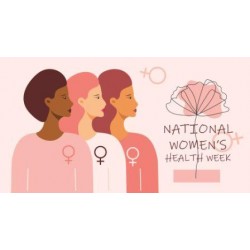
Health research has historically overlooked women, particularly women of color. However, new studies are yielding biological insights that lead to better diagnoses and treatments for conditions ranging from ADHD to maternal mortality.
Health research has historically overlooked women, particularly women of color. However, new studies are yielding biological insights that lead to better diagnoses and treatments for conditions ranging from ADHD to maternal mortality. For instance, ADHD, often underdiagnosed in women, is now recognized to manifest differently than in men, leading to an increase in diagnoses and a better understanding of the condition in women. Additionally, research is uncovering how menstrual cycles can affect brain structure, impacting emotions, memory, and behavior. These advancements are crucial for improving women's healthcare outcomes.
Here are some unique articles related to the treatment of women's health:
1. Barriers to Accessing Addiction Treatment for Women at Risk of Homelessness: This article discusses the under-representation of women in addiction treatment and identifies shame, stigma, and fear of legal and social repercussions as major barriers impacting on treatment-seeking for women. It also highlights the additional challenges faced by women at risk of homelessness.
2. Feminism, Gender Medicine and Beyond: This article provides a feminist analysis of "gender medicine". It critiques the emphasis on biological differences between men and women in gender medicine, arguing that the impact of society on women's health is under-represented. The article calls for an approach that integrates feminist thinking and practices into medical science, practice, and policies.
3. Need for Women-Centered Treatment for Substance Use Disorders: This article highlights the lack of childcare options at treatment services as a barrier for women seeking treatment for substance use disorders.
4. FDA Approval of Fezolinetant (Veozah): In May 2023, the FDA approved fezolinetant (Veozah) as the first nonhormonal medication designed specifically for vasomotor symptoms, which are common in women during menopause.
5. The Role of Research in Guiding Treatment for Women’s Health: This article discusses the importance of research in informing clinical practice for women's health. It explores how women are referred to clinics, how healthcare providers communicate with each other, and what barriers exist to treatment.
These articles cover a range of topics and provide unique insights into the challenges and advancements in the treatment of women's health. They highlight the need for a holistic approach that considers both biological and societal factors. They also underscore the importance of research in guiding treatment and policy decisions.
Health research has historically overlooked women, particularly women of color. However, new studies are yielding biological insights that lead to better diagnoses and treatments for conditions ranging from ADHD to maternal mortality.