
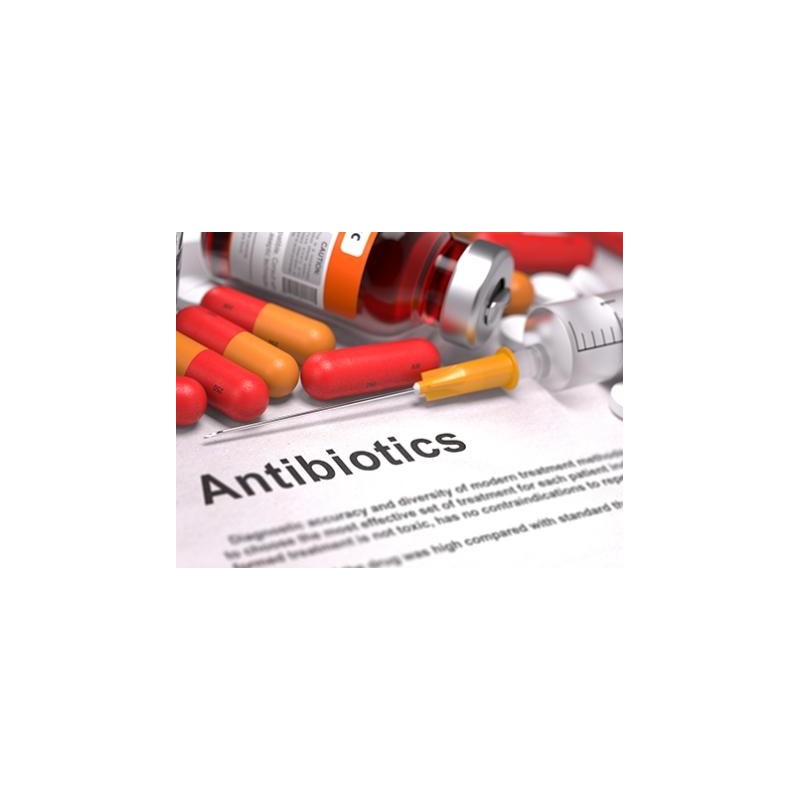

Antibiotics are drugs used to treat bacterial infections. They are not effective against viral infections and most other infections. Antibiotics either kill bacteria or stop them from reproducing, allowing the body's natural defenses to eliminate them.
Antibiotics: A Comprehensive Overview
What are Antibiotics?
Antibiotics are drugs used to treat bacterial infections. They are not effective against viral infections and most other infections. Antibiotics either kill bacteria or stop them from reproducing, allowing the body's natural defenses to eliminate them.
Importance of Correct Usage
Taking antibiotics as prescribed is important. They should be taken in the dose, frequency, and number of days that are most effective to treat a specific infection. Bacteria can develop resistance to the effects of antibiotics, especially if they are not taken as directed.
Classes of Antibiotics
Antibiotics are grouped into classes based on their chemical structure. However, antibiotics within each class often affect the body differently and may be effective against different bacteria. Classes of antibiotics include the following:
- Aminoglycosides
- Carbapenems
- Cephalosporins
- Fluoroquinolones
- Glycopeptides and lipoglycopeptides (such as vancomycin)
- Macrolides (such as erythromycin and azithromycin)
- Monobactams (aztreonam)
- Oxazolidinones (such as linezolid and tedizolid)
- Penicillins
- Polypeptides
- Rifamycins
- Sulfonamides
- Streptogramins (such as quinupristin and dalfopristin)
- Tetracyclines
Discovery of New Antibiotics
The discovery of new antibiotics is crucial in the fight against antimicrobial resistance. A recent study describes a new antibiotic, named clovibactin, isolated from an uncultured bacterial strain, that efficiently kills Gram-positive bacteria without the development of resistance.
Future of Antibiotics
A new class of antibiotics, known as tethered macrocyclic peptides, show potent activity against drug-resistant strains of Acinetobacter baumannii, with one candidate already in clinical trials.
This is just a brief overview. For more detailed information, please refer to the sources provided.
Antibiotics are drugs used to treat bacterial infections. They are not effective against viral infections and most other infections. Antibiotics either kill bacteria or stop them from reproducing, allowing the body's natural defenses to eliminate them.