

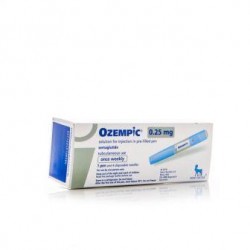
Ozempic contains the active substance semaglutide. It only helps lower your blood sugar when it is too high and can help prevent heart disease.
What Ozempic is and what it is used for
Ozempic contains the active substance semaglutide. It helps lower your blood sugar only when it is too high and can help prevent heart disease.
Ozempic is used:
• on your own - if your blood sugar is not controlled well enough with diet and exercise alone and you cannot use metformin (another medicine for diabetes) or
• with other medicines for diabetes - when they are not enough to control your blood sugar levels. These other medicines may include: oral antidiabetic products (such as metformin, thiazolidinediones, sulphonylureas) or insulin.
It is important to continue your diet and exercise plan as your doctor, pharmacist or nurse has told you.
2. What you need to know before using Ozempic
Do not use Ozempic:
• if you are allergic to semaglutide or any of the other ingredients of this medicine (listed in section 6).
Warnings and precautions
Talk to your doctor, pharmacist or nurse before using this medicine.
This medicine is not insulin and you should not use it if:
• you have type 1 diabetes - a disease in which your body does not produce insulin at all;
• develop diabetic ketoacidosis - a complication of diabetes with high blood sugar, difficulty breathing, confusion, excessive thirst, a sweet smell in the mouth or a sweet or metallic taste in the mouth.
Effects on the digestive system
You may feel sick (nausea) or have vomiting or diarrhea during treatment with this medicine. These side effects can cause dehydration (loss of fluid). It is important to drink plenty of fluids to prevent dehydration. This is especially important if you have kidney problems. Talk to your doctor if you have any questions or concerns.
Severe and prolonged abdominal pain, which may be due to acute pancreatitis.
If you have severe and prolonged pain in the stomach, see a doctor immediately, as it may be a sign of acute pancreatitis (inflamed pancreas).
Hypoglycemia
The combination of sulphonylureas or insulin with this medicine may increase the risk of lowering blood sugar levels (hypoglycaemia). Please see section 4 for warning signs of low blood sugar. Your doctor may order a test to check your blood sugar levels. This will help determine if the dose of the sulphonylurea or insulin needs to be changed to reduce the risk of low blood sugar.
Eye disease due to diabetes (retinopathy)
If you have eye disease due to diabetes and are using insulin, this medicine may make your vision worse and this may require treatment. Tell your doctor if you have eye disease due to diabetes or if you develop eye problems during treatment with this medicine.
Children and adolescents
This drug is not recommended for children and adolescents under 18 years of age, as safety and efficacy in this age group have not yet been established.
Other drugs and Ozempic
Tell your doctor, pharmacist or nurse if you are taking, have recently taken or might take any other medicines, including medicines obtained without a prescription.
In particular, tell your doctor, pharmacist or nurse if you are using medicines containing any of the following:
• Warfarin or other similar medicines taken orally to reduce blood clotting (oral anticoagulants). Frequent blood tests may be needed to determine the ability of your blood to clot.
Pregnancy and lactation
If you are pregnant or breast-feeding, think you may be pregnant or are planning to have a baby, ask your doctor for advice before taking this medicine.
This medicine should not be used during pregnancy because it is not known if it may affect the fetus. Therefore, it is recommended that you use contraception while using this medicine. If you want to become pregnant, you must stop taking this medicine at least two months in advance. If you become pregnant while using this medicine, talk to your doctor immediately, as your treatment needs to be changed.
Do not use this medicine if you are breast-feeding, as it is not known if it passes into breast milk.
Driving and using machines
If you use this medicine in combination with a sulphonylurea or insulin, your blood sugar may drop (hypoglycaemia), which will weaken your ability to concentrate. Avoid driving or using machines if you get signs of low blood sugar. See section 2, “Warnings and precautions” for information on the increased risk of low blood sugar, and section 4 for warning signs of low blood sugar. Talk to your doctor about extra
4. Possible side effects
Like all medicines, this medicine can cause side effects, although not everybody gets them.
Serious side effects
Common: may affect up to 1 in 10 people
• complications of eye disease due to diabetes (retinopathy) - you should inform your doctor if you develop eye problems, such as a change in vision, during treatment with this medicine.
Rare: may affect up to 1 in 1,000 people
• severe allergic reactions (anaphylactic reactions). You should seek medical attention immediately and tell your doctor immediately if you experience symptoms such as breathing problems, swelling of the face and throat, and palpitations.
Other side effects
Very common: may affect more than 1 in 10 people
• nausea (nausea) - this usually goes away over time;
• diarrhea - this usually goes away over time.
Common: may affect up to 1 in 10 people
• nausea (vomiting);
• low blood sugar (hypoglycaemia) when this medicine is used with another antidiabetic medicine.
Warning signs of low blood sugar may come on suddenly. These may include: cold sweats, cool pale skin, headache, fast heartbeat, nausea or hunger, changes in vision, drowsiness or weakness; nervousness, anxiety or confusion, difficulty concentrating or trembling.
Your doctor will tell you how to treat low blood sugar and what to do if you notice these warning signs.
Your blood sugar level is more likely to fall if you are taking sulphonylureas or insulin. Your doctor may reduce the dose of these medicines before you start using this medicine.
• indigestion;
• inflamed stomach (gastritis) - signs include stomach pain, nausea (feeling sick) or nausea (vomiting);
• reflux or heartburn - also called gastroesophageal reflux disease (GERD);
• stomachache;
• bloating;
• constipation;
• belching;
• gallstones;
• dizziness;
• fatigue;
• weight loss;
• decreased appetite;
• gases (flatulence);
• increase in pancreatic enzymes (such as lipase and amylase);
Uncommon: may affect up to 1 in 100 people
• change in the taste of food or drink;
• fast heart rate;
• injection site reactions such as bruising, pain, irritation, itching and rash. Reporting of side effects
If you get any side effects, talk to your doctor, pharmacist or nurse. This includes any possible side effects not listed in this leaflet. You can also report side effects directly via the national reporting system listed in Annex V. By reporting side effects, you can help to get more information about the safety of this medicine.
5. How to store Ozempic
Keep out of reach of children.
Do not use this medicine after the expiry date which is stated on the pen label and carton after EXP. The expiry date refers to the last day of that month.
Before opening:
Store in a refrigerator (2 ° C - 8 ° C). Do not freeze. Keep away from the cooling element. Keep away from light.
During use:
• You can store the pen for less than 30 ° C or in a refrigerator (2 ° C - 8 ° C) away from the cooling element for 6 weeks. Do not freeze Ozempic or use it if it has been frozen.
• When you are not using the pen, store it with the cap on to protect it from light.
Do not use this medicine if you notice that the solution is not clear and colorless or almost colorless.
Do not throw away any medicines via wastewater or household waste.
Ask your pharmacist how to dispose of medicines no longer required. These measures will help to protect the environment.
6. Contents of the package and additional information
What Ozempic contains
• The active substance is semaglutide. One ml of solution for injection contains 1.34 mg semaglutide. One pre-filled pen contains 2 mg of semaglutide in 1.5 ml of solution. Each dose contains 0.25 mg semaglutide in 0.19 ml.
• The other ingredients are: disodium phosphate dihydrate, propylene glycol, phenol, water for injections, sodium hydroxide / hydrochloric acid (for pH adjustment).
What Ozempic looks like and contents of the pack
Ozempic is a clear and colorless or almost colorless solution for injection in a pre-filled pen.
Each pen contains 1.5 ml of solution and delivers 4 doses of 0.25 mg.
Ozempic 0.25 mg solution for injection is available in the following pack sizes:
1 pen and 4 disposable needles NovoFine Plus.
Ozempic contains the active substance semaglutide. It only helps lower your blood sugar when it is too high and can help prevent heart disease.